You reach for it without thinking. It lives quietly in kitchens around the world, mixed into desserts, drinks, and comfort food. It smells warm and familiar. It feels harmless. And yet, this specific spice has one of the most intense and unsettling backstories of anything you casually eat. Not as a quirky bit of trivia, but as something that had lasting effects on real communities.
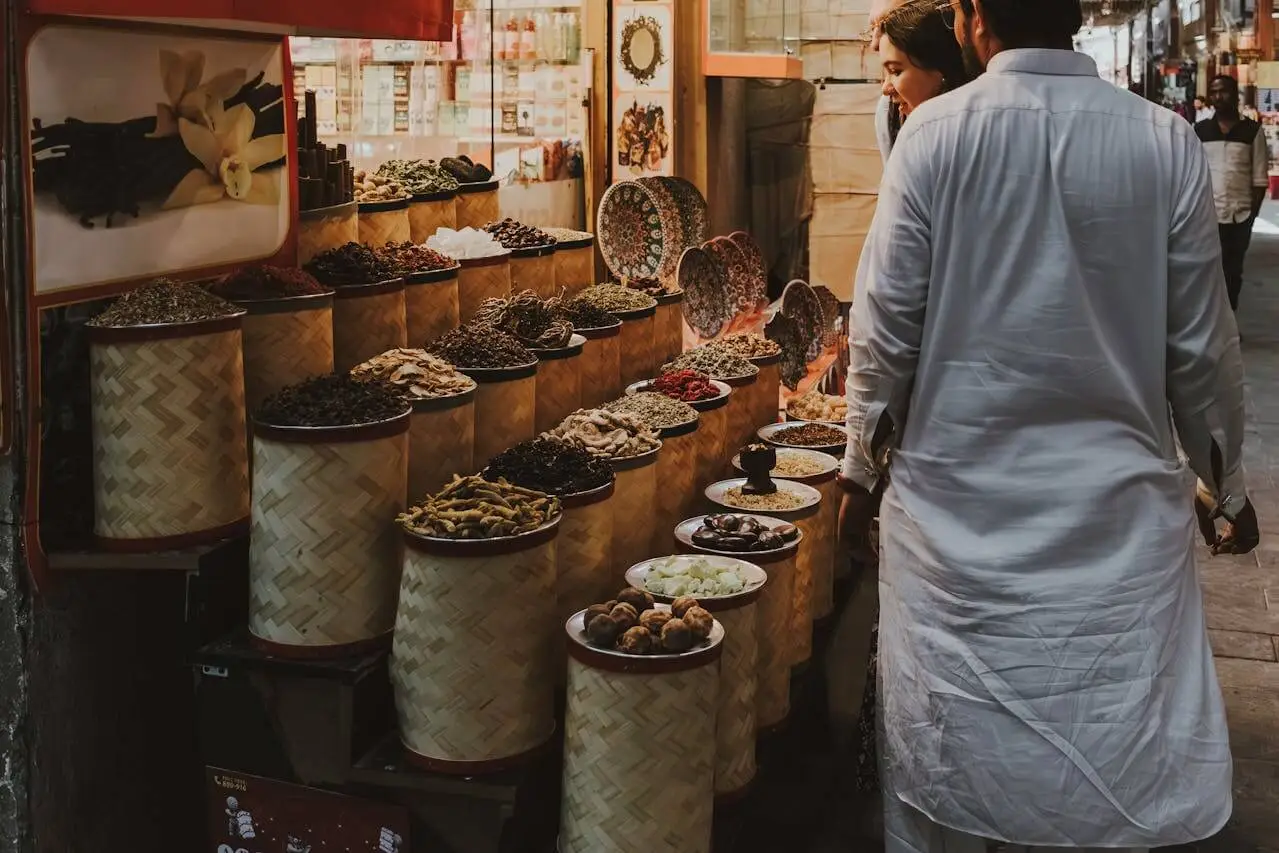
Spices have always been status symbols. Long before luxury watches, designer bags, or viral drops, rare spices were how people showed power and wealth. Black pepper from India was once so valuable it earned the nickname “black gold”. Cloves from the Maluku Islands were guarded with military-level control. Cinnamon from Sri Lanka pulled European empires deep into the Indian Ocean trade routes. Saffron from Persia and Kashmir became so expensive it inspired counterfeiting and smuggling. But one spice took things further than all the others, mostly because of where it came from.
This spice originally grew in exactly one place on Earth, the Banda Islands. Not one region or country, but a small cluster of islands surrounded by sea. If you wanted it, this was the only source. That kind of scarcity changes how trade works. It turns negotiation into obsession and competition into control.
In Europe, demand exploded. The spice was used to flavour food, preserve meat, and was widely believed to support health. During plague outbreaks, people carried it as a protective charm. Whether those beliefs were accurate did not matter. The perception alone sent prices soaring. A small sack could be worth a fortune. Merchants built entire careers around it. Governments started paying attention.
For centuries, the people of Banda had traded the spice through established Asian and Arab networks. Trade was steady, controlled, and local communities decided who they worked with. That balance collapsed when European powers arrived looking not for trade partnerships, but for ownership.
The Portuguese were the first Europeans to reach the islands, followed by the English. But it was the Dutch who changed everything. The Dutch East India Company was not just a business. It had ships, soldiers, and the legal authority to control territory and enforce contracts. Its goal was straightforward. Control the supply. Block competitors. Set the price for the world.
When the people of Banda refused to sell only to the Dutch, the response escalated quickly. In 1621, Dutch forces carried out a campaign that devastated the islands. Large portions of the local population were removed from their land. Survivors were forced into labour systems that served the spice trade. Entire communities disappeared, not because of natural causes or chance, but because total control was more profitable than cooperation. Historians widely recognize this as one of the clearest examples of extreme violence driven directly by commercial ambition.
While all of this unfolded in Southeast Asia, the spice continued to appear across Europe in food, drink, and medicine. It flavoured pastries and wines. It showed up at wealthy tables. The distance between where the spice came from and how it was consumed made it easy to ignore the cost behind it.
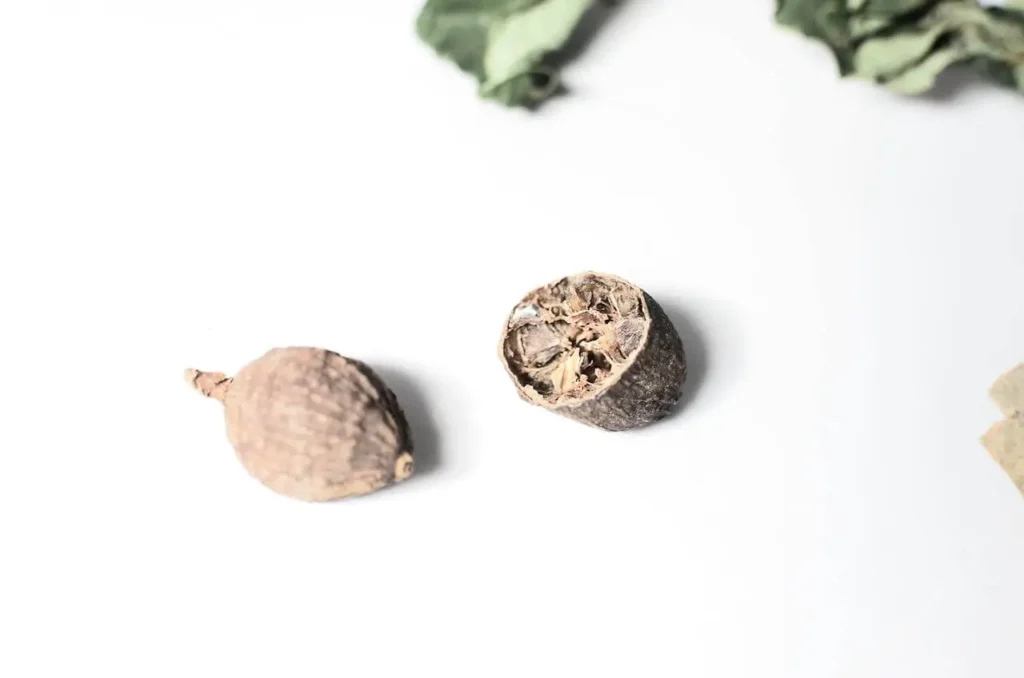
And this is where the story lands on a name. The spice at the centre of it all was nutmeg.
Yes, nutmeg. The same ingredient now associated with cozy recipes and seasonal drinks was once among the most valuable substances on Earth. Its warmth and familiarity today hide a past shaped by scarcity, power, and control.
Looking at other spices helps explain why nutmeg stands apart. Black pepper, native to India’s Malabar Coast, reshaped global trade and pushed European exploration forward. Pepper created wealth and conflict, but it grew across large regions, making full control difficult. Cloves, native to the Maluku Islands like nutmeg, were tightly regulated by the Dutch, who enforced their monopoly by destroying trees outside their control and punishing unauthorized trade. Cinnamon, native to Sri Lanka, was absorbed into colonial systems that displaced local producers and redirected profits overseas. These spices all caused harm, but none were locked to a single source as tightly as nutmeg.
Nutmeg’s absolute geographic limitation made it uniquely powerful. One island chain controlled the global supply. Whoever ruled Banda ruled the spice. That bottleneck intensified every decision and raised the stakes far beyond normal trade disputes.
There is also a moment in this story that sounds like internet trivia but is fully documented. In the mid-1600s, the English and Dutch were competing for control of a tiny Banda island called Run, covered in nutmeg trees. The English held it briefly. The Dutch wanted it desperately. The conflict was resolved in 1667 through the Treaty of Breda.
As part of the agreement, the British handed over Run Island. In return, the Dutch gave up a North American settlement called New Amsterdam. That settlement later became Manhattan. At the time, this exchange made sense. Nutmeg was considered more valuable than the land that would eventually become one of the most influential cities in the world.
The monopoly did not last forever. By the late 1700s and early 1800s, European powers figured out how to cultivate nutmeg trees outside the Banda Islands. The British introduced them to the Caribbean, especially Grenada. The French moved them to Indian Ocean colonies. Once nutmeg could be grown in multiple locations, prices fell and its strategic power faded.
The Banda Islands did not benefit equally from that shift. Their population, culture, and autonomy had already been deeply altered. The global market moved on, but the long-term impact remained local.
Today, nutmeg feels ordinary. It shows up in baked goods, drinks, and comfort recipes. It is associated with warmth, nostalgia, and home. That contrast between modern meaning and historical reality is what makes the story worth telling.
This is not about guilt or avoiding certain foods. It is about awareness. Everyday objects often carry histories shaped by power, trade, and inequality. Food is part of that story. So is travel. So is consumption in general.
Spices played a major role in shaping the modern world long before oil, data, or technology took centre stage. They drove exploration, colonization, global trade networks, and early corporate power. Nutmeg just happens to be one of the clearest examples of how far people once went for something small, fragrant, and rare.
That little jar on the shelf holds more than flavour. It holds a story about how value is created, who pays for it, and how easily those costs can fade from view. Once you know that, it becomes harder to see everyday things as simple. And that awareness, more than anything, is what history quietly leaves behind.