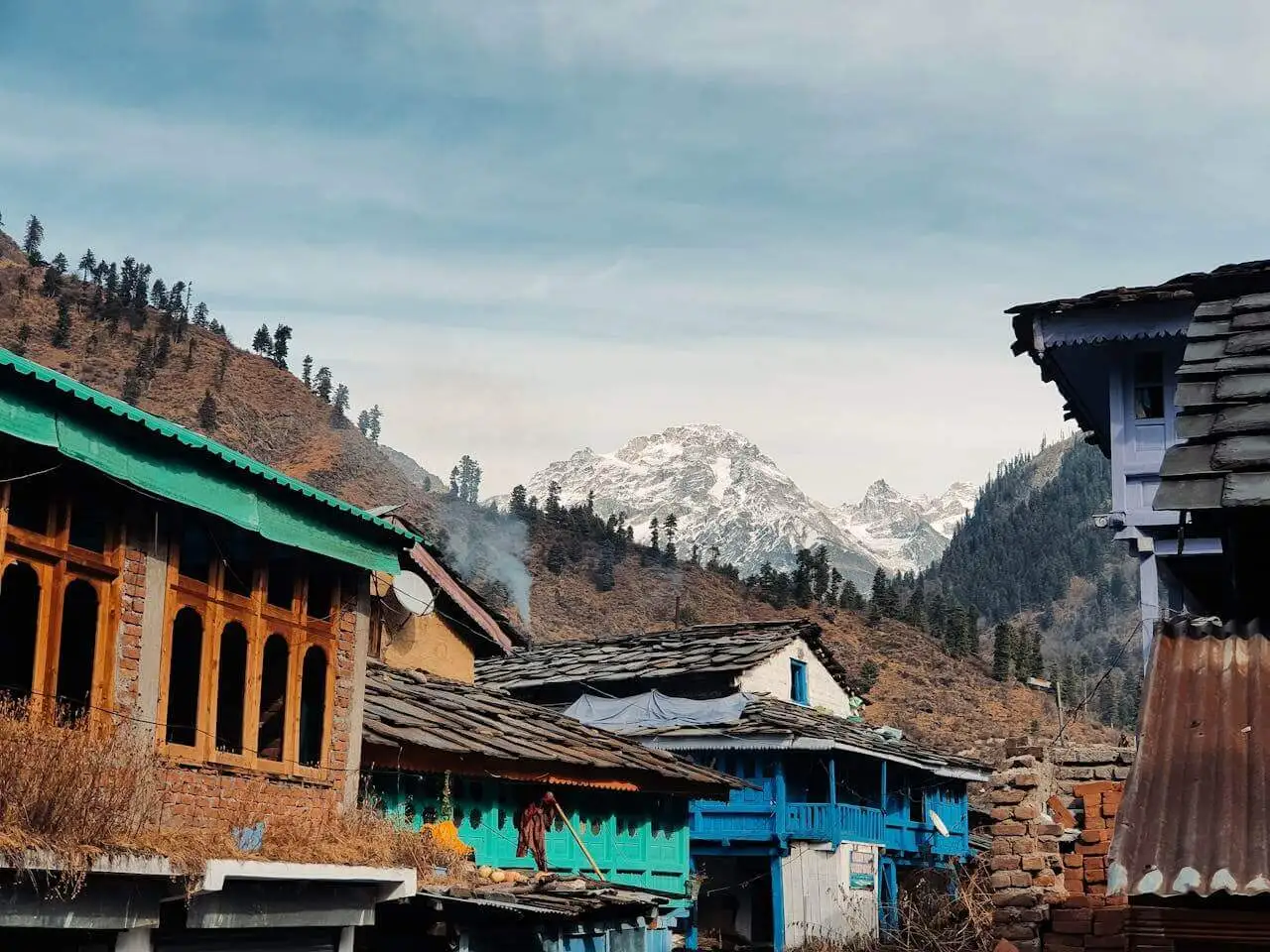
Travel in India is no longer about rushing through destinations or checking into the same-looking hotels everywhere. There is a clear shift happening, and you can feel it in the way people plan their trips, share their stays online, and talk about their experiences afterward. Travellers today want places that feel real. They want stories, local flavours, and human connections. This is exactly why homestays are no longer a niche option. They are one of the fastest-growing travel trends across the country.
From quiet mountain villages to coastal towns and farming communities, homes are turning into destinations. Guests are choosing them not just for affordability, but for the depth of experience they offer. And for homeowners, this growing demand has opened the door to a business model that is flexible, sustainable, and deeply personal.
Why Homestays Are in Demand Right Now
The modern traveller is different from the one we knew a decade ago. Today, people are travelling slower and staying longer. They are consciously avoiding overcrowded hotels and tourist-heavy zones. Instead, they want grounded experiences that allow them to live like locals, even if it is just for a few days.
This is why homestays in regions like Himachal Pradesh, Goa, and Tamil Nadu are seeing steady demand throughout the year. Guests are choosing traditional homes, cottages, and farm stays because these spaces feel authentic. They offer something hotels cannot replicate, a sense of belonging.
Social media has played a big role in this shift. Real homes, everyday moments, and slow travel experiences resonate more than polished luxury visuals. A cup of chai on a balcony, a home-cooked meal, or a quiet sunset shared with a host often becomes the highlight of a trip. This kind of content spreads naturally and attracts travellers who are looking for meaningful stays.
Homestays as a Profitable Yet Purpose-Driven Business
What makes homestays especially appealing is that they balance income with impact. Unlike large resorts, homestays require lower investment and are easier to scale over time. Many successful hosts start with just one or two rooms and grow organically based on demand.
At the same time, homestays support local economies in a far more direct and meaningful way. Travellers almost always spend locally wherever they stay, but when they choose a homestay, that spending is guided by real local knowledge. Hosts point them to nearby farmers, trusted guides, family-run cafés, and small artisans, ensuring their money reaches the people who actually sustain the place. This keeps money circulating within the community and creates employment without disturbing the social or environmental balance of the area.
From an environmental perspective, homestays naturally align with sustainable travel. They use existing homes, consume fewer resources, and generate less waste. When hosts make conscious choices like reducing plastic use, sourcing food locally, or adopting small eco-friendly practices, the impact multiplies across every stay.
What Makes a Homestay Successful Today
The most successful homestays are not the fanciest ones. They are the ones that feel thoughtful and genuine. Travellers are not looking for perfection. They are looking for comfort, cleanliness, and character.
A well-maintained space with good ventilation, comfortable beds, and clean bathrooms forms the foundation. Beyond that, it is the personality of the home that makes it memorable. Local materials, traditional décor, family heirlooms, or handmade elements add warmth and authenticity. These details tell a story about the place and the people who live there.
Personal touches matter more than expensive upgrades. A handwritten welcome note, a small snack on arrival, or a book about the region instantly makes guests feel at home. Outdoor spaces, whether it is a garden, terrace, or courtyard, add immense value by giving guests room to slow down and relax.
The Experience Is the Real Offering
In a homestay, the experience is just as important as the room. Guests remember how they felt more than what they paid. This is where hosting becomes an art.
Simple interactions go a long way. Welcoming guests personally, offering home-cooked meals, and sharing stories about the area create emotional connections. Suggesting local experiences like village walks, market visits, or craft workshops helps guests explore beyond typical tourist routes.
At the same time, respecting privacy is essential. Not every guest wants constant interaction. A good host understands when to engage and when to step back. This balance builds trust and encourages repeat visits and positive reviews.
Turning Demand into Long-Term Profit
Visibility plays a key role in turning a homestay into a sustainable business. Travellers today discover stays online, and they value honesty over marketing language. Clear descriptions, realistic photos taken in natural light, and transparent communication help set the right expectations.
Storytelling is a powerful tool here. Sharing why the homestay exists, what makes the location special, and how guests can experience local life attracts like-minded travellers. Social media platforms are especially effective for this. Everyday moments like morning routines, meals being prepared, or seasonal changes give potential guests a glimpse into the experience they can expect.
Guest reviews are another critical factor. People trust other travellers more than advertisements. Encouraging satisfied guests to share their experience builds credibility and drives bookings organically.
Homestays and the Future of Travel in India
As tourism grows, many popular destinations in India are facing challenges like overcrowding, waste, and cultural dilution. Homestays offer a solution by spreading travellers across smaller towns and villages and promoting slower, more respectful travel.
When guests stay in homes, they engage more deeply with the place. They stay longer, explore responsibly, and form genuine relationships. This kind of travel is not only sustainable; it is restorative for both guests and hosts.
Starting and running a homestay today is about more than accommodation. It is about contributing to a healthier travel ecosystem while building a profitable, flexible business rooted in real experiences. When done thoughtfully, a homestay becomes a space where income, culture, and community grow together.
In a world where travellers are searching for meaning, homestays are no longer just an option. They are the future of how people experience India.