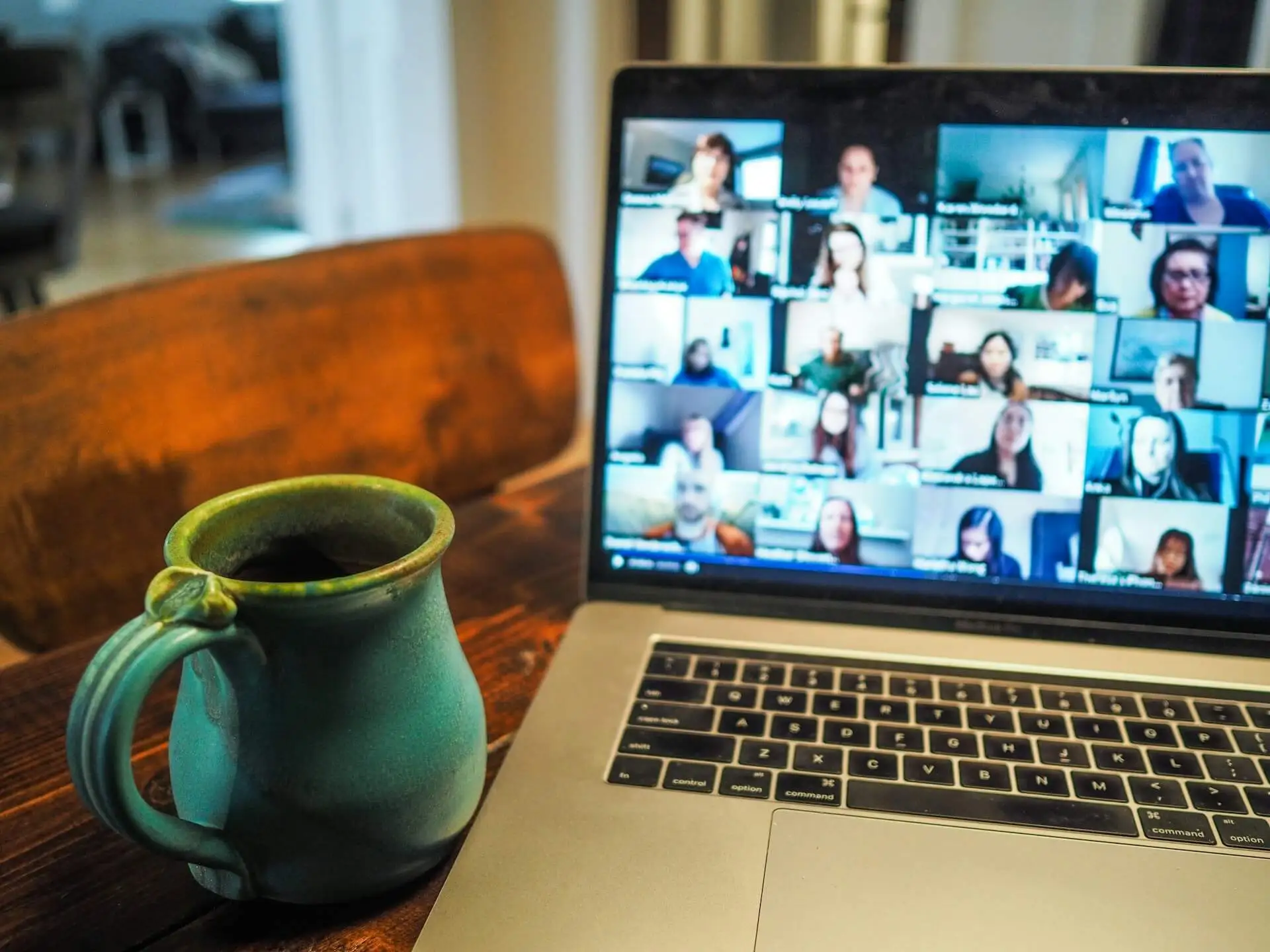
The way you work in India today is going through one of its most fascinating transformations. Not long ago, success was measured by how early you reached the office, how long you stayed, and how well you handled crowded commutes. Fast forward to now and you might be answering emails from your balcony, attending meetings from a hill town café, or brainstorming ideas while sitting cross legged on your bed with a cup of chai. Work has quietly shifted from being a physical place to becoming a flexible experience that blends into your everyday life.
Across cities like Bengaluru and Hyderabad, as well as travel friendly spots in Goa and Himachal Pradesh, young professionals are experimenting with remote routines that feel personal and meaningful. The change is not just about location. It is about comfort, mental wellness, side passions, and redefining how you balance ambition with everyday happiness. Conversations around work now include health goals, creative pursuits, and travel dreams alongside performance targets.
The shift did not happen overnight. When remote work first became common, many people treated it like a temporary break from office culture. Over time, it evolved into something more intentional. People began designing workdays around their energy levels and personal values. Instead of rushing through chaotic mornings, you might start your day with a walk or a slow breakfast. Instead of squeezing hobbies into weekends, you now weave them into your weekly schedule. This sense of ownership has changed how many Indians view productivity itself.
Now let us talk about one of the surprisingly fun changes that people rarely expected. What you wear during work hours has become a reflection of comfort and personality rather than strict corporate codes. Some days you are in breathable cotton clothes that feel light and relaxed. Other days you may dress up simply because it boosts your confidence for an important presentation. Clothing comfort sounds like a small detail, but it has quietly transformed how people feel during long work sessions. When you are physically at ease, your focus and mood often improve. There is also a sense of authenticity that comes from not pretending to fit into a uniform version of professionalism.
Comfort extends beyond clothes into the larger environment you create around yourself. Many professionals describe building their own bubble at home. A favourite chair, warm lighting, calming music, or a tiny plant collection can turn an ordinary corner into a productive sanctuary. You get to control how your day flows. Breaks feel more natural, and you can step away to stretch or recharge whenever needed. For people who once spent hours navigating traffic in Mumbai or Delhi, this newfound comfort feels almost revolutionary. The hours saved from transportation are often redirected toward personal goals, exercise routines, or simply moments of quiet reflection.
At the same time, working from home or from shared spaces is not always as peaceful as social media makes it seem. Cultural habits and social expectations sometimes clash with the demands of remote work. Not everyone around you immediately understands that being at home does not mean you are available for every conversation or errand. Friends might assume you are free during the day. Family members may expect constant interaction. Shared spaces can become noisy or distracting when people treat work calls casually. These situations highlight a deeper shift that is still unfolding. As work models change, there is a growing need for mutual respect, boundaries, and a more mindful approach to civil behaviour. Remote work demands focus and professionalism even when you are physically at home. Many professionals are learning to communicate boundaries clearly while also educating those around them about the evolving nature of modern work.
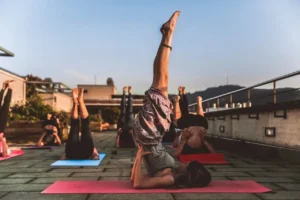
Health priorities and mental wellness have gained new importance as people design their own schedules. Instead of pushing through exhaustion to meet rigid office hours, you may take a midday break to exercise or step outside for fresh air. Morning yoga, evening walks, or even short meditation sessions are becoming regular habits rather than occasional luxuries. Flexible routines allow you to listen to your body and mind more closely. Eating home cooked meals, staying hydrated, and maintaining consistent sleep cycles become easier when you control your schedule.
However, flexibility comes with emotional challenges too. Some remote workers admit that the absence of casual office conversations can feel isolating. Without clear boundaries, work hours can slowly expand into personal time. This is where intentional self-care becomes essential. Many professionals create rituals that signal the start and end of the workday. Changing clothes, closing the laptop at a fixed hour, or stepping outside for a short walk can help maintain balance between professional and personal life.
Time management becomes the backbone of successful remote work. You quickly realize that freedom without structure can lead to stress. Some people prefer detailed daily plans with clear priorities, while others follow flexible rhythms based on energy levels. Techniques like focused work blocks, digital calendars, and scheduled breaks help maintain productivity without burnout. There is also a strong emphasis on deep work. By switching off notifications and dedicating uninterrupted time to important tasks, many professionals find themselves accomplishing more in fewer hours.
Another fascinating outcome of remote work culture is the rise of side hustles and extra-curricular activities. When commuting hours disappear, you suddenly have space to explore interests that once felt impossible to pursue. You might start a podcast, learn photography, build an online business, or teach a skill you love. These pursuits are not just about additional income. They often provide emotional fulfilment and a sense of identity beyond your main job. Many young Indians describe their side projects as anchors that help them discover purpose and creativity.
This transformation is also reshaping how people think about travel and everyday life. Instead of waiting for annual vacations, professionals are embracing slow travel. You might spend a month working near the beaches of Goa or temporarily relocate to the calm landscapes of Himachal Pradesh for a change of scenery. The idea of digital nomadism is becoming more accessible as people realize that productivity does not always require a fixed office address. Shared co-working spaces and community living setups are growing in popularity, allowing you to meet likeminded individuals while exploring new places.
Demographic shifts are driving much of this change. Younger generations entering the workforce prioritize flexibility, mental wellness, and meaningful experiences alongside financial stability. Many millennials and Gen Z professionals see work as one part of a larger lifestyle that includes travel, creative growth, and personal development. Older professionals are also embracing remote work for different reasons. Staying closer to family, managing personal responsibilities, and avoiding exhausting commutes are powerful motivators.
Even with its many advantages, remote work is not a universal solution. Some people miss the energy of physical offices and spontaneous conversations that spark creativity. Certain industries still require in person presence. The future of work in India is likely to remain a blend of remote and on-site models, shaped by individual preferences and evolving economic demands.
What stands out most in this evolving landscape is the growing sense of ownership people feel over their time and choices. You are not simply following a fixed career script anymore. Instead, you are designing a life where work, health, creativity, and relationships exist in balance. Comfort, mental wellness, and personal growth are no longer secondary goals. They are central to how you define success.
The future of work feels dynamic, experimental, and deeply personal. It reflects a society that is learning to adapt, question old norms, and embrace new possibilities. Whether you choose to work from a city apartment, a family home, or a scenic travel destination, the focus remains the same. You are building a work life that aligns with your values, respects your wellbeing, and leaves space for exploration. In a world where change is constant, the ability to shape your own professional journey might just be the most valuable skill of all.