If your day starts with a buzzing phone, a crowded metro ride, and coffee gulped between meetings, you already know how fast urban life in India can feel. Deadlines, traffic, social plans, family responsibilities, and endless notifications can make self-care seem like something reserved for weekends you rarely get. But here’s the good news. Wellness today is not about disappearing into silent retreats or building complicated routines. It is becoming something flexible, quick, and portable. Something you can actually practice in the middle of real life.
Across India’s cities, modern self-care trends are reshaping how people look after their mental and physical well-being. The focus is shifting toward small, consistent actions that fit naturally into busy schedules. And honestly, that makes wellness feel more realistic than ever.
The Rise of Micro-Wellness Moments
Long routines are slowly being replaced by tiny habits that take just a few minutes. In fast-paced urban environments, people are embracing “micro-wellness,” which means adding short bursts of mindfulness or movement into existing routines rather than carving out large chunks of time.
This could look like a brief breathing pause before a meeting, a short stretch after long hours at a desk, or a moment of quiet reflection during a commute. Instead of treating wellness as an extra task, people are layering it into activities they already do every day.
If you want to experiment with this approach, try attaching a small wellness habit to something routine. Take a deep breath every time you unlock your phone. Roll your shoulders between calls. Pause for ten seconds before replying to stressful messages. Tiny resets help prevent burnout before it builds.
Fitness That Fits Real Urban Schedules
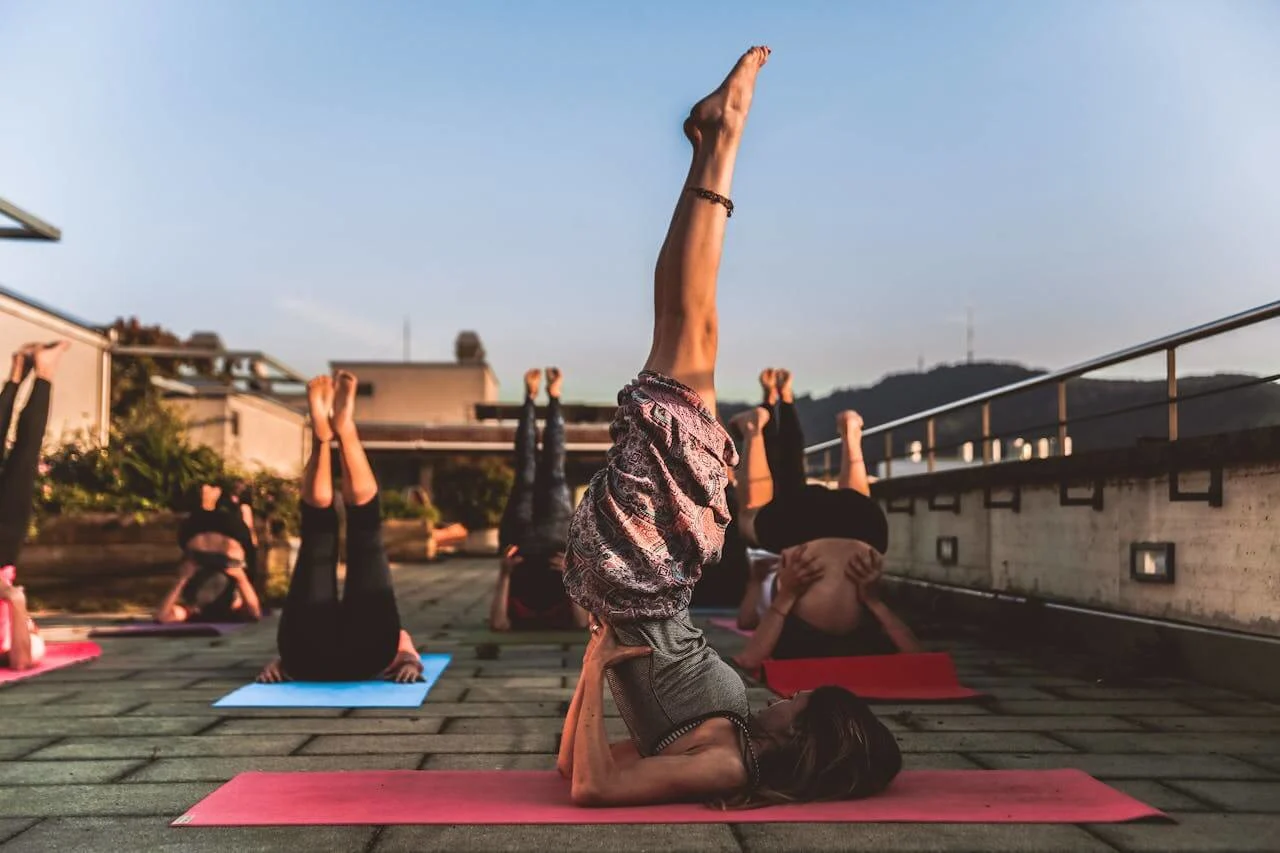
Traditional fitness culture once revolved around long gym sessions and rigid workout plans. But urban India is embracing movement that fits into unpredictable days. Short home workouts, quick yoga flows, walking breaks, and bodyweight exercises are gaining popularity because they require minimal time and space.
People are redefining fitness as regular movement rather than intense, occasional workouts. Climbing stairs instead of taking elevators, standing while working, or taking short walks during calls are becoming practical ways to stay active without restructuring your entire day.
The key trend here is accessibility. You do not need perfect equipment or a long schedule. The focus is on consistency and enjoyment rather than strict performance goals.
Mindfulness Is Becoming More Practical
Mindfulness used to feel abstract or intimidating to many people. Now it is becoming simple and approachable. Short meditation sessions, guided breathing exercises, and grounding techniques are being integrated into daily life, especially among young urban professionals and students.
Instead of long periods of silence, people are exploring quick mental resets that help reduce stress and improve focus. Even a minute of focused breathing can help calm racing thoughts during a hectic workday.
Another growing practice is intentional pauses. Rather than jumping from one task to another without a break, many people are learning to stop briefly, notice their emotions, and reset their attention. These small pauses can make a big difference in how you feel throughout the day.
Technology Is Changing How We Practice Self-Care
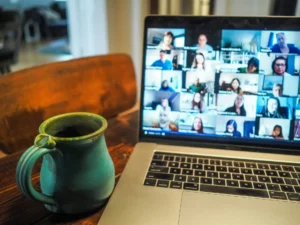
Technology plays a complicated role in modern life. It can be overwhelming, but it is also becoming a powerful tool for building wellness habits. Digital resources make it easier to access guided relaxation, mental health support, and educational content about mindfulness and fitness.
Many people use short digital prompts to remind themselves to stretch, drink water, or take a break from screens. Online communities also offer motivation by normalizing conversations about mental health and everyday stress.
The important shift is not simply using more technology, but using it intentionally. Adjusting notification settings, scheduling screen-free periods, and following content that supports well-being rather than comparison are becoming common strategies for maintaining a healthier relationship with digital life.
Coffee Shops, Parks, and Quiet Corners as Wellness Spaces
Urban living often means limited personal space and constant noise. Because of this, people are redefining everyday environments as places for mental resets. Cafés, public parks, quiet terraces, and small home corners are becoming mini sanctuaries where people can step away from constant stimulation.
The idea is simple. You do not need a perfect meditation room to slow down. A quiet seat by a window, a few minutes of stillness in a park, or a calm moment with a warm drink can help you reconnect with yourself.
Creating a small “wellness spot” wherever you spend time can help anchor your routine. A comfortable chair, a plant, or even a dedicated corner of your desk can signal your brain that it is time to pause.
Community-Driven Wellness Is Growing
Another big shift in urban India is the social side of wellness. Instead of viewing self-care as something you do alone, many people are building supportive communities around healthy habits. Group fitness sessions, shared mindfulness practices, and informal accountability circles are becoming more common.
The social element makes wellness feel less isolating and more motivating. Conversations about mental health and stress management are becoming more open, which helps reduce stigma and encourages people to prioritize their well-being.
Even casual connections can play a role. Walking with friends, cooking healthy meals together, or sharing wellness goals with colleagues can make habits easier to maintain.
Food Trends Are Focusing on Balance
Urban wellness trends are also reshaping how people think about food. Instead of strict dieting, there is a growing focus on mindful eating and balanced nutrition. Many people are paying closer attention to how meals make them feel, choosing options that support sustained energy rather than quick fixes.
Traditional Indian ingredients are being rediscovered alongside modern nutritional awareness. Home-cooked meals, lighter snacks, and conscious portion sizes are becoming more common among those seeking healthier lifestyles without extreme restrictions.
A simple starting point is eating without distractions whenever possible. Slowing down and noticing flavours can help you recognize hunger and fullness cues more clearly.
Personal Rituals Matter More Than Perfect Routines
Perhaps the biggest transformation in modern wellness is the idea that self-care should be personal. What works for someone else may not work for you, and that is completely okay. Some people prefer morning stretches. Others find calm in evening walks or journaling before bed.
Urban India is moving away from one-size-fits-all wellness trends and toward customized routines that feel realistic. The goal is not perfection but sustainability. Small rituals that fit naturally into your life are more likely to stick than ambitious plans that quickly become overwhelming.
Start by choosing one simple habit that feels manageable. Practice it consistently for a week and notice how it affects your mood and energy.
Finding Calm in a Fast City
City life is exciting, dynamic, and sometimes exhausting. But modern wellness trends show that self-care does not have to be complicated or time-consuming. It can exist in small moments throughout your day. A stretch between meetings. A deep breath during a traffic stop. A mindful sip of chai instead of a rushed gulp.
You do not need a perfect routine or a dramatic lifestyle change to begin. You only need small, intentional actions that help you reconnect with yourself. In the middle of crowded streets and busy schedules, wellness is becoming something you carry with you, one mindful moment at a time.
And the best part? You can start right now, exactly where you are.